Monday, June 8, 2015

The northeastern Brazil


It is the Brazilian region that has the largest number of states:  Alagoas, Bahia, Ceará, Maranhão, Paraíba, Piauí, Pernambuco, Rio Grande do Norte and Sergipe.
Because of their different physical characteristics, the region is divided into four sub-regions: mid-north, wilderness, wild and forest zone, with very different levels of human development throughout their geographical areas. The Northeast region was the birthplace of the Portuguese colonization in the country, 1500 to 1532, due to the discovery by Pedro Alvares Cabral and the subsequent exploratory settlement, which was, in short, in Brazil wood extraction, whose ink timber was used to dye the clothes of European nobility.
With the creation of captaincies, was founded Olinda Village, and, years later, there was the start of construction of the first capital of Brazil, Salvador, in 1549. From the beginning, it was created the government-general in the country with possession of Sousa. The Northeast was also the financial center of Brazil until the mid-eighteenth century, since the Captaincy of Pernambuco was the main production center of the colony and Recife the city of greater economic importance.

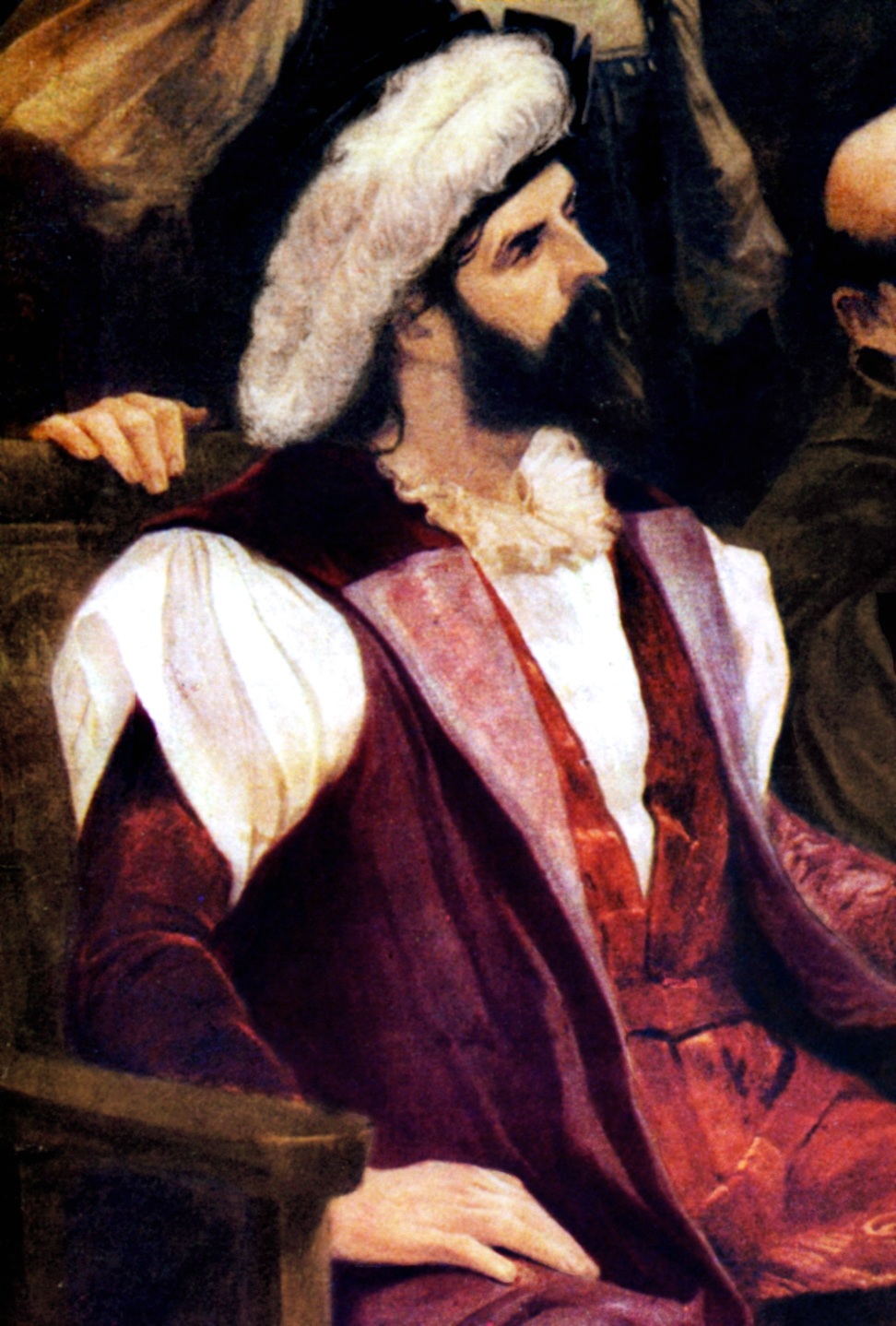
Pedro Alvares Cabral
The climate: Brazil's Northeast region has an average annual temperature between 20°C and 28°C. In the areas located above 200 meters and on the eastern coast, temperatures range from 24°C to 26° C. The lower annual average at 20°C are in the higher areas of the Chapada Diamantina and the plateau of Borborema. The annual rainfall index ranges from 300 to 2000 mm.

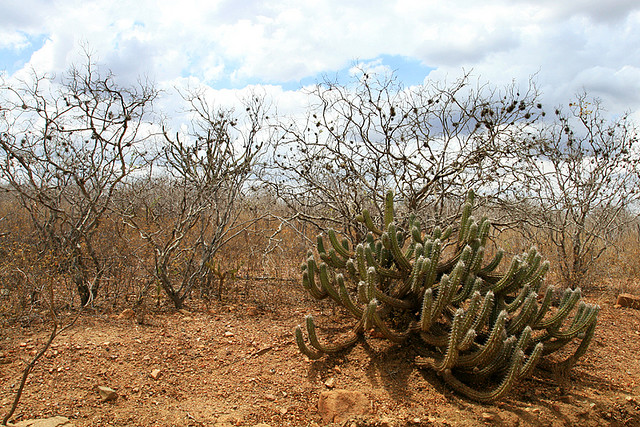
The Caatingatypical sertão vegetation, is the main species the pereiro, mastic trees, legumes and cacti. It is a training xerófitos vegetables (vegetables dry regions), but is rich ecologically. It occurs in all northeastern states except Maranhão, and the north of Minas Gerais, in the Southeast.

Caatinga
National Park Lençois
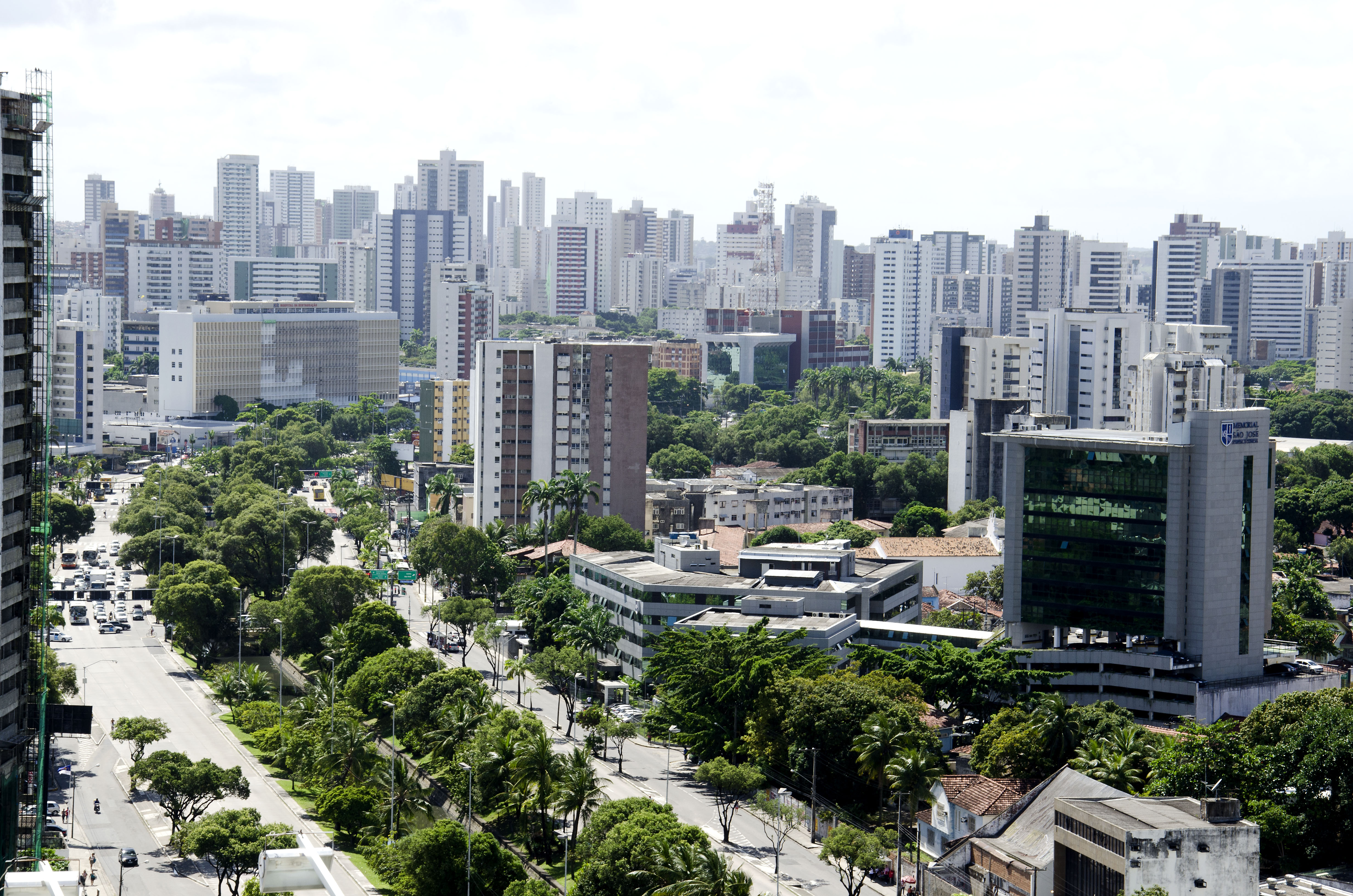
Recife city
Munguzá - typical food
Olinda dolls


Wednesday, June 3, 2015

What's the religion of Brazil?

Brazil is a secular state, ie not have a religion that defines the country.

Well, 64.6% of Brazilians are Catholic, 22.2% Protestant, 2% spiritism, 0.3% umbanda and cadonblé, 8% follow no mentioned.

Well, I'm a Catholic, and I was raised in a Catholic family!
But the reality we probably all have here is that everyone respects all people's choices ... This is an illusion ...
There is no respect, especially between Catholics and Protestants, as Protestants have a totally wrong view of our church, believe me, they think we will contaminate them. This is scrotum. But are these escrotisses that Brazilian Catholics have to infrentar every day.
I'm not here to criticize anyone, I'm just talking about what I see in my day-to-day here in Brazil.

This is more than an opinion article or matter taken from one site or blogger. This is my opinion the inequality and prejudice issue with the population.

Itajaí Cathedral

This Cathedral is of town next to mine, it is very beautiful!
Thaks! Bye bye...

Friday, May 22, 2015

The southern region - Paraná


  • Borders: Mato Grosso do Sul (northwest), São Paulo (north), Santa Catarina (leste ), Argentina (southwest), Paraguay (west), Atlantic Ocean (east).

  • Capital: Curitiba
  • Ethnic composition: Italians, Germans, Poles, Ukrainians, Japanese and Arabic.

Flag


Coat of arms


Step freedom


Monday, May 18, 2015

The southern region - Santa Catarina


Borders: Paraná (north), Rio Grande do Sul (south), Atlantic Ocean (east), Argentina (west).
Capital: Florianópolis
Ethnic composition: Portuguese, German and Italian


Cathedral Santíssimo Sacramento - Itajaí city


Flag

Coat of arms

THE OKTOBERFEST

It was established in 1984, after the city of Blumenau have suffered a strong flood of the Itajaí-Açu river that runs through the city, in order to revive the economy and boost morale of the townsfolk.
The Oktoberfest is a Germanic traditions festival held in the city of Blumenau during the month of October. She is one of the celebrations that arose in the world similar to the Oktoberfest in Munich, Germany.


Princesses, Miss and Queen of Oktoberfest

Sunday, May 17, 2015

The southern region - Rio Grande do Sul


Now I will show you the beautiful landscapes that exist in Brazil. I'll start from the south, I imagine that has more cultural influence with Europe.
Examples: I live in Brazil, but the parents of my great-grandparents were Italian, who came to live here. Here Italians, Ukrainians, Poles, French....

The southern region of Brazil is the smallest of the country. It has a land area of 576 km² 774.31, being larger than the area of metropolitan France and less than the Brazilian state of Minas Gerais. It is divided into three federal units: Paraná, Santa Catarina and Rio Grande do Sul.
The South, itself, is a great tourist, economic and cultural center, covering major European influence, mainly of Italian and German origin.
The southern region presents social indicators above the national average and other regions in many ways: it has the highest HDI in Brazil 0.831, and the third highest GDP per capita in the country.

THE CLIMATE 


In Brazil, that are mostly tropical climate, only the Southern Region is under the subtropical domain (a climate of transition from tropical predominantly in Brazil and temperate, predominantly in Argentina), that is, the typical climate of the region is cooler compared to the tropical climate and where is the lowest temperatures in the country are registered.
In this climate, temperatures range from 16 ° C to 20 ° C per year, but winter is very cold customarily by Brazilian standards, often frosts in almost all areas, and in places where there is the highest elevation altitudes, falling snow.
Look the winter in Rio Grande do Sul:


THE VEGETATION


When people refer to the south of Brazil, it is common to have in memory the Araucaria Forest or dos Pinhais Forest and the great pampa gaucho, typical plant formations that appear in the region, although it does not only exist there.


RIO GRANDE DO SUL


Borders: Santa Catarina (north), Atlantic Ocean (east), Argentina (west), Uruguay (south).
Capital: Porto Alegre
Ethnic composition: Portuguese, Spanish, African, Azorean, German and Italian.


Flag

Coat of arms

Typical food:

Meat, fries, salads ...

Mocotó

Typical barbecue:


Thursday, May 14, 2015

The Brazilian flag

The current version of the Brazilian flag was presented on November 19, 1889, through Decree No. 4, four days after the proclamation of the Republic in Brazil, replacing the old imperial flag of the country. The design it was made by Decius Vilares, inspired in the Empire flag.
Brazil's flag consists of a green rectangle, a yellow diamond in the center, a heavenly blue ball inside the diamond, and a white band with the ordem e progresso "Order and Progress" phrase. In the Brazilian flag are still 27 stars representing the 26 states and one Distrito Federal "Federal District of the country".

Meaning of colors:  Originally, symbolizing the colors of the royal houses of Dom Pedro I family . However, over years the Brazilians associated other meanings for each color:


  • "White", means the desire for peace
  • "Blue" symbolizes the sky and the Brazilian rivers
  • "Yellow", symbolizing the country's riches
  • "Green", symbolizes the forests (the rich Brazilian forest)

The phrase "Order and Progress" was based on studies of the French philosopher founder of positivism, Auguste Comte.

Meaning of the stars of Brazil's flagOn May 11, 1992 the Brazilian flag now has 27 stars (current format) by inserting the states of Amapá, Tocantins, Roraima and Rondônia.

Before 1992, the Brazilian flag had 23 stars, representing the 23 Brazilian states of that time. According to the Decree Law No. 5,443, of May 28, 1968, when a new state is created in Brazil, a new star should be inserted in the Brazilian flag.

The Brazilian flag stars represent the Brazilian states and the Federal District. The layout and size of each star was established from the city sky view of Rio de Janeiro on the night of November 19, 1889.

The only star that is above the white band of "Order and Progress" is the state of Para, which at the time was the largest territory near the equatorial axis.


Flag Day: The Flag Day is celebrated every year on 19 November. That was the date in 1889, held the institution of the Republican National flag as the official flag of Brazil. Despite being considered a date of great importance for the country, it is not a national holiday in Brazil.

Monday, May 11, 2015

The Brazilian folklore

The Brazilian folklore is the social face and identity of a vast population of Brazilian citizens, each having its own history, and their own cultural references.
The folklore includes myths, legends, folk tales, rites and religious and social ceremonies, jokes, sayings, riddles, revenues from food, the clothing styles and decorations, prayers, curses, incantations, oaths, swearing, dancing, singing, slang last names of people and places, challenges, greetings, farewells, tongue twisters, parties, performances, a gesture associated with oral intercom, crafts, folk medicine, the motives of embroidery, instrumental music, lullabies and wheel, and even even ways to create, call and give commands to animals.

A lundu in 1835, recorded by Rugendas