It is the Brazilian region that has the largest number of states:
Alagoas,
Bahia,
Ceará,
Maranhão,
Paraíba,
Piauí,
Pernambuco,
Rio Grande do Norte and
Sergipe.
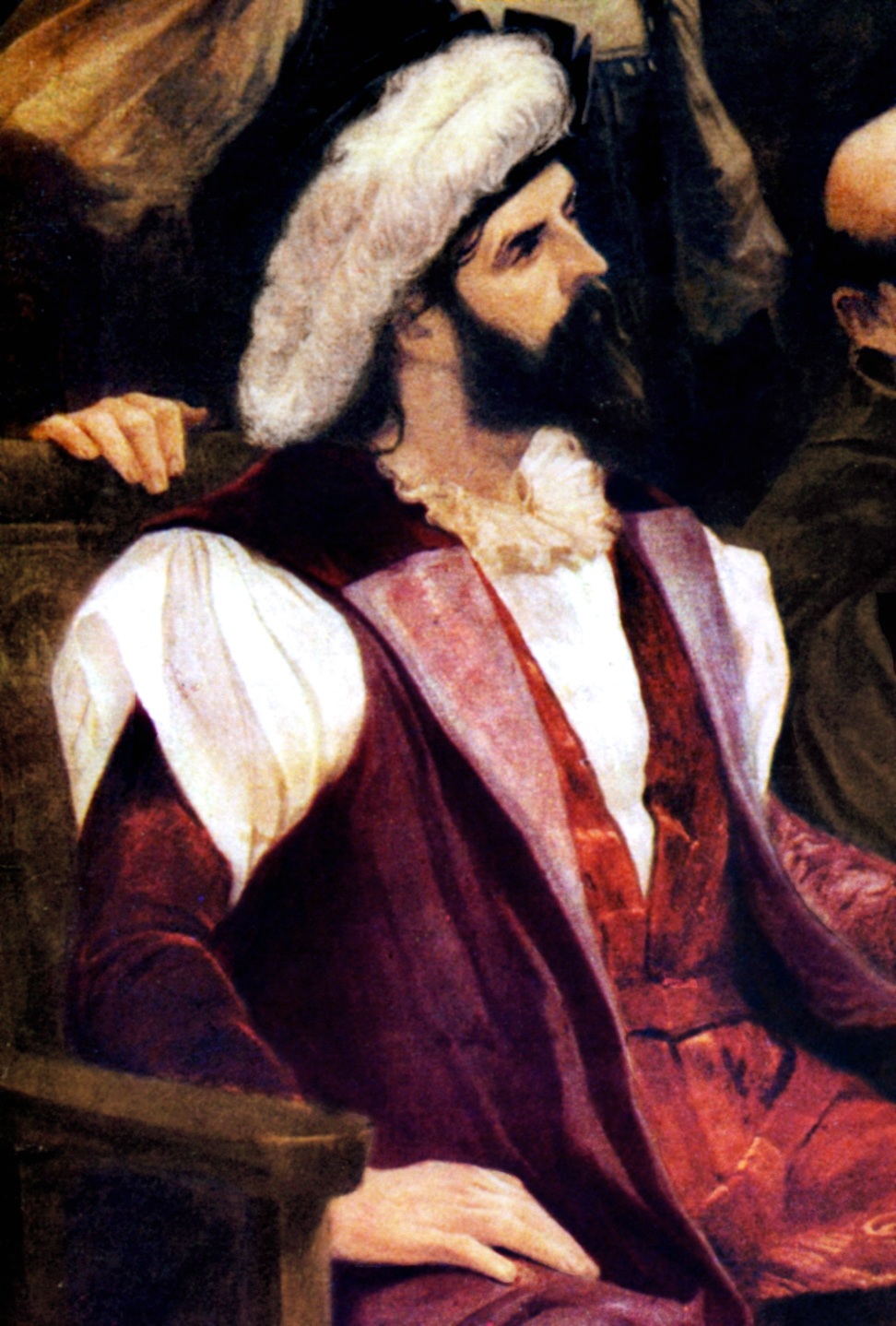
Because of their different physical characteristics, the region is divided into four sub-regions: mid-north, wilderness, wild and forest zone, with very different levels of human development throughout their geographical areas. The Northeast region was the birthplace of the Portuguese colonization in the country, 1500 to 1532, due to the discovery by Pedro Alvares Cabral and the subsequent exploratory settlement, which was, in short, in Brazil wood extraction, whose ink timber was used to dye the clothes of European nobility.
With the creation of captaincies, was founded Olinda Village, and, years later, there was the start of construction of the first capital of Brazil, Salvador, in 1549. From the beginning, it was created the government-general in the country with possession of Sousa. The Northeast was also the financial center of Brazil until the mid-eighteenth century, since the Captaincy of Pernambuco was the main production center of the colony and Recife the city of greater economic importance.
 |
| Pedro Alvares Cabral |
The climate: Brazil's Northeast region has an average annual temperature between 20°C and 28°C. In the areas located above 200 meters and on the eastern coast, temperatures range from 24°C to 26° C. The lower annual average at 20°C are in the higher areas of the Chapada Diamantina and the plateau of Borborema. The annual rainfall index ranges from 300 to 2000 mm.
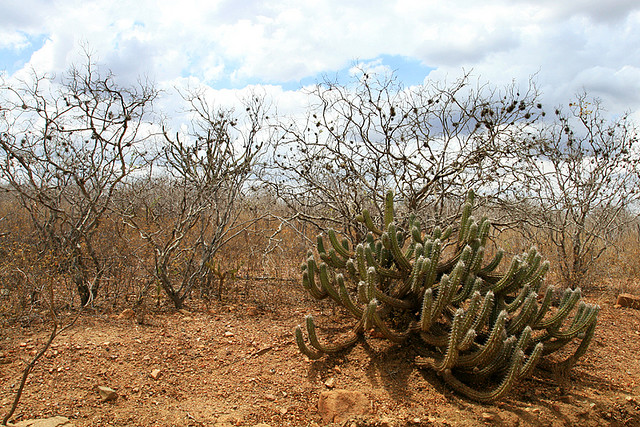
The Caatinga: typical sertão vegetation, is the main species the pereiro, mastic trees, legumes and cacti. It is a training xerófitos vegetables (vegetables dry regions), but is rich ecologically. It occurs in all northeastern states except Maranhão, and the north of Minas Gerais, in the Southeast.
 |
| Caatinga |
 |
| National Park Lençois |
 |
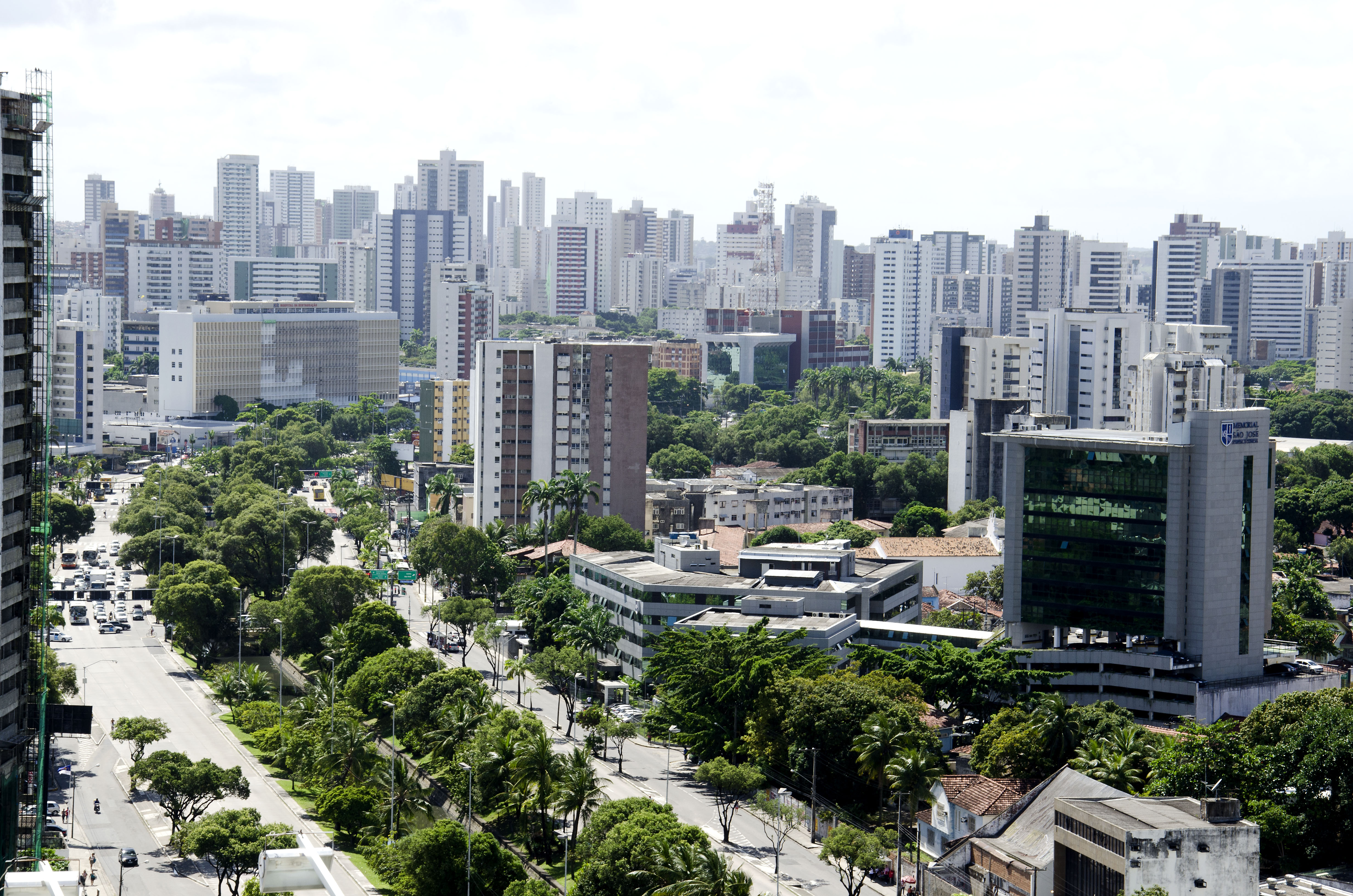
| Recife city |
 |
| Munguzá - typical food |
 |
| Olinda dolls |